
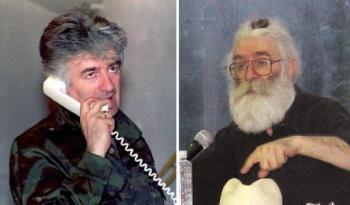
وقوع جنگ براي «ياسمینا» شبيه يک شوخي به نظر مي رسيد. آن زمان وي فقط 19 سال سن داشت، در روياي تبديل شدن به يک اقتصاددان به سر مي برد و با پسر نوپا و دختر نوزادش بازي مي کرد، گويي آنها اسباب بازي بودند. اما در آوريل 1992 سربازان صرب شهر وي، «بيجلجينا»، واقع در شمال بوسني نزديک مرز صربستان را تصرف کردند و در يک طرح وحشيانه پاکسازي نژادی، شروع به کشتار و شکنجه مسلمانان کردند. ياسمينا می گوید: "کل یک خانواده در طول شب ناپدید می شدند. گاهی اوقات ما می توانستیم اجسادشان را در باغ ها پیدا کنیم و گاهی حتی اجساد آنها نیز پیدا نمی شد." وی می افزاید: "مردانی از خانواده ام همان روز اول مضروب شدند...مادرم ناپدید شد. من هرگز نفهیدم چه چیزی اتفاق افتاد." شبه نظامیان وفادار به «آرکان» - ملی گرای افراطی که بعدها به خاطر جنایاتش علیه بشریت محاکمه شد – به خانه یاسمینا و شوهرش یورش بردند و خانه را برای یافتن اشیای قیمتی و سلاح زیر رو رو کردند. زمانی که هیچ سلاحی در خانه نیافتند شروع به کتک زدن شوهر یاسمینا کردند. یاسمینا می گوید: "سپس آنها به شکنجه من پرداختند. از هوش رفتم. زمانی که به هوش آمدم خود را کاملا عریان و خون آلود یافتم، خواهرشوهرم نیز عریان افتاده بود... می دانستم هر دو مورد تجاوز قرار گرفته ایم." وی در گوشه ای مادرشوهرش را دید که بچه اش را نگه داشته و گریه می کند. یاسمینا ادامه می دهد: "همان روز ما در خانه مان حبس شدیم، این بدترین چیز ممکن بود، بدترین دوره عمرم، و بدبختی ها از همان موقع آغاز شد." این زن مسلمان با یادآوری رفتارهای حیوانی سربازان صرب با خودش و 10 زن دیگر می گوید: "هر روز مورد تجاوز قرار می گرفتیم. تنها در خانه نبود، بلکه آنها ما را برای سربازان به خط مقدم می بردند تا شکنجه مان بدهند. سپس این رفتارها در خانه و مقابل چشم کودکان تکرار می شد." وی ادامه می دهد: "در چنین شرایط بدی گاهی اوقات حتی نمی توانستم کودکانم را تشخیص دهم. با وجود آنکه در شرایط جسمانی بسیار بدی به سر می بردم آنها اصلا رحم و مروت نداشتند. هر روز به من تعرض می کردند. آنها من را پیش سربازان می بردند و به آن خانه بازمی گرداندند." وی می افزاید: "تنها صحبت ما با آنها این بودکه التماس می کردم چه زمانی من را می کشند. اما می خندیدند و پاسخ می دادند که «ما به مرده شما نیاز نداریم». " یاسمینا که اکنون سنش بیش از یک زن 35 ساله به نظر می رسد تعریف می کند که زمانی در خط مقدم سربازان زن وی را شکنجه دادند و با یک بطری شکسته گلو و مچ دستش را بریدند و سپس سربازان با سرنیزه وی را آزار و اذیت کردند. "یک سال این رفتارها ادامه یافت.برای هر روز... همه زن ها نتوانستند جان سالم به در ببرند." بنابر آمارهای «سازمان امنیت و همکاری اروپا»، ده ها هزار زن مسلمان بین سال های 1992 تا 1994 تحت فرمانروایی «رادوان کارادزیچ» در بوسنی و سایر نقاط یوگسلاوی سابق مورد تجاوز قرار گرفتند. کارادزیچ مشهور به «سلاخ سربرنیتسا» چند روز پیش در حالی که تغییر قیافه داده بود (تصویر راست) پس از سال ها فرار دستگیر شد و اکنون با اتهام جنایات جنگی در دادگاه جنایی بین المللی روبروست.
حدود چند هزار مرد مسلمان در شهر بوسنیایی «سربرنیتسا» در طول جنگ به دستور کارادزیچ، رهبر صرب های بوسنی، قتل عام شدند. در سال 1993 یاسمینا با کمک یک فرد صرب که از دوستان والدینش بود از خانه ای که در آن نگهداری می شد، رهایی یافت. به یاسمینا گفته شد وی به عنوان یک روسپی به این فرد صرب فروخته شده اما آشنای خانوادگی به یاسمینا گفت: "به خاطر والدینش وی را نجات داده است." سپس این فرد یاسمینا و کودکانش را به خط مقدم انتقال داد و توانست آنها را از میان سربازان صرب به سمت مواضع نیروهای بوستی بفرستد. یاسمنا می گوید: "خیلی ضعیف شده بودم. فقط 45 کیلو وزن داشتم. بیش از یک کیلومتر هر دو کودک خود را حمل کردم تا به سمت نیروهای بوسنی برسم." هرچند یاسمینا از خطر جسته بود اما آثار این حادثه ناگوار در خاطر وی باقی مانده بود. "احساس شرمساری می کردم. می خواستم بمیرم یا به هر طریقی شده ناپدید شوم. نمی توانستم از کودکانم مراقبت کنم. بقیه این کار را می کردند. توان و اراده از من سلب شده بود." پزشکان به مداوای وی در یکی از مراکز نگهداری پناهندگان در حوالی شهر «توزلا» پرداختند. "آنها متوجه شدند که من حامله هستم، شش ماهه آبستن بودم و خود از آن بی خبر بودم. برای سقط جنین خیلی دیر شده بود اما من گفتم که این بچه را نمی خواهم." سرانجام پزشکان گفتند که آنها می توانند عمل سقط جنین را امتحان کنند اما این عمل بسیار پرمخاطره ای بود که در میان هر 100 زن تنها احتمال زنده ماندن یک زن وجود داشت. یاسمنا با یادآوری اینکه در همان روزی که وی عمل شد دختری 18 ساله در طول عمل مشابهی جان سپرد، می گوید: "به آنها (پزشکان) التماس کردم که من را عمل کنند و این کار صورت گرفت." چند ماه بعد شوهر یاسمینا توانست از یک اردوگاه در صربستان فرار کند و پیش وی برود. یاسمینا می گوید: "لحظه بسیار دشواری برای من بود. حتی مطمئن نبودم که می خواهم شوهرم مرده باشد یا زنده. می دانستم که وی اطلاع دارد بر من چه گذشته است بنابراین وضعیت برای من خیلی، خیلی مشکل بود." وی ادامه می دهد: "فکر می کردم که وی می خواهد به خاطر آنچه اتفاق افتاده من را ترک کند و کودکانم را هم با خود ببرد. اما به من گفت که نمی خواهد از من سئوالی بپرسد یا درباره وقایع وحشتناکی که برای خودش سپری شده بود صحبتی کند." به گفته یاسمینا وی از صحبت کردن با روان شناسان نیز عاجز بود و در سال 1995 برای اولین بار اقدام به خودکشی کرد. یاسمینا با بیان اینکه وی معتقد است خداوند به یک دلیلی وی را زنده نگه داشته، می گوید: "حال من هرگز دیگر خوب نخواهد شد." وی از سال 2001 به همراه شوهر و فرزندانش در یک آپارتمان ساده در شهر سارایوو، مرکز بوسنی و هرزگوین زندگی می کند. یاسمینا مالک این آپارتمان نیست و کل ملک باید براساس یک توافقنامه صلح که به جنگ بوسنی خاتمه داد به مالکان قانونی اش بازگردانده شود. همین معاهده به پناهندگان و افراد بی خانمان - بیش از نیمی از مردم خانه های خود را در طول جنگ ترک کردند – اجازه می دهد به خانه و کاشانه خود بازگردند. در همین حال مسوولان می گویند، یاسمینا باید به خانه بازسازی شده مادرشوهرش در «بیجلجینا» بازگردد. اما وی می گوید هرگز به مکانی که در آنجا 39 عضو خانواده خود را از دست داده و سرآغاز مصیبت هایش بوده، بازنخواهد گشت. به گفته «آلیسا موراتکائوس»، رییس یک انجمن حامی یاسمینا و 1200 زن دیگر در سارایوو که مورد تعدی صرب ها قرار گرفته اند، این زنان یک نگرانی مشترک دارند. آلیسا می گوید: "بسیاری از اعضای ما باید با واقعیات بازگشت به خانه خود دسته و پنجه نرم کنند. همه آنها قادر نیستند از نظر روانی به مناطقی بازگردند که در آنجا با چنین نقض شدید حقوق بشر مواجه بوده اند." وی می افزاید: "هیچ زن تعرض شده ای به خانه پیش از جنگ خود بازنگشته است چرا که درخواست از آنها برای بازگشت به خانه در حالی که هنوز جنایتکاران و شکنجه دهندگان آزادانه در آن مناطق زندگی می کنند، اقدامی غیراخلاقی و غیرانسانی است." یاسمینا می گوید: "نمی خواهم بچه هایم را به «بیجلجینا» ببرم. به فرزندانم گفته ام زمانی که من مردم استخوان هایم را هم به «بیجلجینا» نفرستند. نمی خواهم چیزی درباره «بیجلجینا» بشنوم. این شهر دیگر برای من وجود ندارد." یاسمینا سپس تصویر دخترش را نشان می دهد، یک زن جوان زیبا، اما حتی این تصویر هم برای وی دردآور است چرا که به یاد می آورد زمانی سربازان وی را به خاطر زیباییش گلچین کردند. "زمانی من زیبا بودم که به قیمت زندگیم تمام شد." منبع: سی.ان.ان (C.N.N)
BOSNIAN GENOCIDE RAPE VICTIMS SUFFER IN SILENCE
WOMEN RAPED DURING BOSNIA AND HERZEGOVINA CONFLICT STILL WAITING FOR JUSTICE

PHOTO: Sabrina - Bosniak victim of rape - was only 13 years old when she was raped by Serbs during the 1992-1995 war in Bosnia.
"This nation forgets everything. They forget about us victims. But I will never forget about what happened to me." - Sabiha, interviewed by Amnesty International
"I do not know if it is possible to punish this crime. If justice exists at all?... Maybe somewhere but not here in Bosnia!" - Bakira, interviewed by Amnesty International
Successive governments of Bosnia and Herzegovina have failed to provide justice for thousands of women and girls who were raped during the 1992-1995 war, Amnesty International said in a report published on Wednesday.
"During the war, thousands of women and girls were raped, often with extreme brutality; many were held in prison camps, hotels, private houses where they were sexually exploited. Many women and girls were killed," said Nicola Duckworth, director of Amnesty International's Europe and Central Asia Programme.
"To this day, survivors of these crimes have been denied access to justice. Those responsible for their suffering, members of military forces, the police, paramilitary groups, walk free. Some remain in positions of power or live in the same community as their victims."
"The government of Bosnia and Herzegovina has an obligation to provide these victims of violations of international humanitarian law and crimes against humanity with access to justice and the full reparation to which they are entitled."
"For this to happen, the authorities must ensure comprehensive investigations that lead to prosecutions of war crimes of sexual violence in the country. Without meaningful justice and full and effective reparation, victims continue to suffer the effects of these horrific crimes."
The report, Whose justice? Bosnia and Herzegovina’s women still waiting, outlines the failure of the justice system in the country. It also focuses on the failure of the authorities to provide the women with reparations, including compensation for the crimes committed against them, and the violations of their rights.
+Women+Protest+Milan+Lukic+and+Sredoje+Lukic+No+Rape+Charges.jpg)
PHOTO: Bosnian Muslim women during a protest against the UN war crimes tribunal's failure to charge two men - Milan Lukic and Sredoje Lukic - with massive rapes of Bosniak women and girls they committed in the 1992-95 war.
"Many women who have survived sexual violence during the war cannot get any compensation due to the complex structures of the judicial and social welfare systems in the country. In comparison to other war victims, they suffer discrimination in access to social benefits," said Nicola Duckworth.
Jasmina, a survivor of sexual violence during the war, told Amnesty International: "I can’t sleep without pills. I still get upset easily when people mention the war. An image, a memory, a TV spot can be a spark. I can’t stand it … I need help."
The authorities in Bosnia and Herzegovina have failed to provide these women with access to adequate healthcare or psychological support, which is provided only by non-governmental organizations (NGOs) working with limited resources.
A Bosnian NGO told Amnesty International that the vast majority of survivors of war crimes of sexual violence are not receiving any psychological assistance.
Thousands of women survivors also lost family members. Many are not able to find or maintain jobs because of their psychological condition. Many remain without a stable source of income and live in poverty, unable to buy the medicines they need.
As rape continues to be a taboo subject, in most cases the women face stigmatization rather than the recognition and vital assistance they need to help them rebuild their lives.
"The authorities must work with NGOs in developing a comprehensive strategy to ensure that survivors receive reparations, including adequate pensions, assistance with access to work and the highest achievable standard of heath-care. The government should support survivors of war crimes of sexual violence, to give them a voice to demand their rights and combat discrimination and stigmatization they face in every day life," Nicola Duckworth said.
The International Criminal Tribunal for the former Yugoslavia (ICTY) was established in 1993 to prosecute serious violations of international humanitarian law, including sexual violence.
However, the ICTY was only able to prosecute a limited number of the violations of international humanitarian law which took place during the wars in the former Yugoslavia. As of July 2009, the ICTY had prosecuted 18 cases related to sexual violence in Bosnia and Herzegovina.
The War Crimes Chamber of the State Court of Bosnia and Herzegovina was created in 2005, to investigate and prosecute crimes that could not be prosecuted by the ICTY. To date, only 12 men have been convicted for crimes of sexual violence.
Amnesty International has called on the parliament of Bosnia and Herzegovina to extend the mandate of the international judges and prosecutors as they have helped to build the capacity of the country's judiciary through their expertise, impartiality and independence.
Source: Amnesty International
Related research from Srebrenica Genocide Blog's archive:
1. Serbs raped Bosniak women in Potocari during Srebrenica genocide [editor's pick!]
2. Raped women were also victims of Srebrenica genocide
3. Bosnia's rape babies: abandoned by their families, forgotten by the state
4. Men and boys were not the only victims of Srebrenica genocide
5. General Lewis MacKenzie, alleged concentration camp rapist
6. Two cowards on trial for crimes against women and children
7. Srebrenica child raped, hung
8. Response to Carl Bildt
9. Life in Hell, Enclave of Safe Haven
10. Bosniaks and Croats in concentration camps
11. Serb rapist, Captain Dragan Vasiljevic (aka: Daniel Snedden)
12. Failure of justice: Milan Lukic and Sredoje Lukic avoided charges of rape
SREBRENICA GENOCIDE IS NOT A MATTER OF ANYBODY'S OPINION; IT'S A JUDICIAL FACT RECOGNIZED FIRST BY THE INTERNATIONAL CRIMINAL TRIBUNAL FOR THE FORMER YUGOSLAVIA AND SUBSEQUENTLY BY THE INTERNATIONAL COURT OF JUSTICE.
FACT: 25,000 DOCUMENTED RAPES OF WOMEN IN BOSNIA
PHOTO: Traumatized woman, Bosnian Muslim rape victim. Photo taken by Anthony LLoyd, noted war correspondent and former British Army officer. Image used for Fair Use Only and in accordance with Title 17 U.S.C. Section 107 for research and educational purposes. ↓
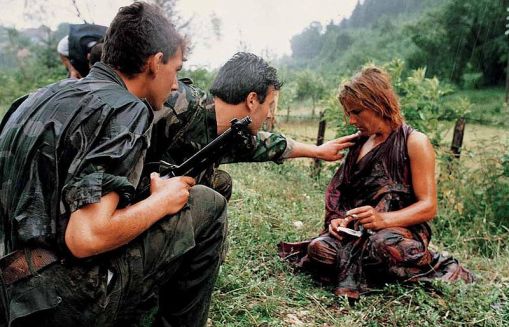
The NGO "Woman - Victim of War" (Žena - Žrtva Rata) has documented more than 25,000 rapes of women in Bosnia-Herzegovina, many of them occurred in the Srebrenica region before and during the Srebrenica genocide. There are also 52 documented rapes of men. The president of the NGO, Bakira Hasecic, said that that one raped woman from Brcko had witnessed more than 40 girls aged from 13 to 18 being repeatedly raped by Serbian soldiers in that town. Hasecic called on all women and men who had been raped or sexually molested during the Bosnian war to contact the “Woman – Victim of War” association, adding that confidentiality is always fully guaranteed. If you were raped, it's not your fault - there is nothing to be ashamed of. Do not feel guilty. Come forward and tell us your story.
Children of Rape Victims
(includes photo presentation)
The NGO "Woman - Victim of War" estimates that approximately 1,000 children were born to women who had been sexually abused during the war. Some adopted children were on the verge of suicide after their biological mothers denied any contact with them. One raped woman who kept her child, suffered a nervous breakdown and killed the baby after a few months.
Raped women are invisible victims of the Bosnian war and they are not counted in the statistics of the indirect war victims. These statistics are compiled and published by the Research and Documentation Center [RDC] in Sarajevo. To drop them an E-mail and ask "Why" click here.
WATCH PHOTO PRESENTATION by Kate Holt:
Bosnia-Herzegovina, Children of Rape by visiting this link:kateholt.com/galleries/editorial/bosnia-herzegovina
Related research (highly recommended):+ Breaking the wall of silence: mass rapes in Bosnia [read...]
+ Serbs raped Bosniak women during Srebrenica genocide [read...]
+ Abandoned by their families, forgotten by the state [read...]
+ Rapes of women during Srebrenica massacres [read...]
+ Srebrenica child raped, hung [read...]
+ Can genocide be committed by forcibly expelling women & children? [read...]
+ Bosnian genocide rape victims suffer in silence [read...]
+ Effects and Aftermath of Rape @ Wikipedia
SREBRENICA GENOCIDE IS NOT A MATTER OF ANYBODY'S OPINION; IT'S A JUDICIAL FACT RECOGNIZED FIRST BY THE INTERNATIONAL CRIMINAL TRIBUNAL FOR THE FORMER YUGOSLAVIA AND SUBSEQUENTLY BY THE INTERNATIONAL COURT OF JUSTICE.
الحقيقة : 25،000 موثقة عن حالات اغتصاب النساء في البوسنة
الصور : الصدمة امرأة من مسلمي البوسنة ضحية اغتصاب. الصورة التي اتخذتها انتوني لويد ، لاحظ مراسل والحرب والضابط السابق في الجيش البريطاني. الصور المستخدمة في الاستخدام العادل فقط وفقا لعنوان في المؤتمر الصومالي الموحد 17 المادة 107 للأغراض البحثية والتعليمية. ↓
والمنظمات غير الحكومية "المرأة -- ضحية للحرب" (Žena -- Žrtva راتا) وقد وثقت أكثر من 25،000 اغتصاب النساء في البوسنة والهرسك ، وكثير منهم وقعت في منطقة سريبرينيتسا قبل وأثناء الإبادة الجماعية في سريبرينيتسا. وهناك أيضا 52 حالة اغتصاب موثقة من الرجال. رئيس المنظمة غير الحكومية ، Bakira Hasecic ، وقال إن ذلك اغتصاب امرأة واحدة من برتشكو قد شهدت أكثر من 40 فتاة تتراوح أعمارهن من 13 إلى 18 بشكل متكرر للاغتصاب على أيدي الجنود الصرب في تلك البلدة. Hasecic دعا جميع الرجال والنساء اللاتي تعرضن للاغتصاب أو للتحرش الجنسي خلال الحرب البوسنية للاتصال "المرأة -- ضحية للحرب" تكوين الجمعيات ، مشيرا الى ان السرية هي دائما مضمونا تماما. إذا تعرضن للاغتصاب ، انها ليست غلطتك -- ليس هناك ما نخجل منه. لا تشعر بالذنب. يتقدم ويقول لنا قصتك.
الأطفال من ضحايا الاغتصاب (ويشمل عرض صور)
حقایق : 25،000 مستند RAPES زنان در بوسنی
عکس : Traumatized زن بوسنیایی مسلمان قربانی تجاوز به عنف. عکس گرفته شده توسط آنتونی لوید ، متذکر شد خبرنگار جنگ و افسر سابق ارتش بریتانیا. نمایشگاه تصویر استفاده شده برای استفاده از فقط و مطابق با 17 عنوان کالیفرنیای جنوبی بخش 107 برای مقاصد تحقیقاتی و آموزشی. ↓
سازمان های غیر دولتی "زن -- قربانی جنگ" (Žena -- Žrtva Rata) را مستند کرده است بیش از 25،000 rapes زنان در بوسنی و هرزگوین ، که بسیاری از آنها را در منطقه سربرنیتسا قبل و در طی نسل کشی سربرنیتسا رخ داده است. هم وجود دارد 52 rapes مستند از مردان است. رئيس جمهور از سازمان های غیردولتی ، Bakira Hasecic ، اعلام کرد که یک زن مورد تجاوز قرار گرفته است که از Brcko بیش از 40 سال سن دختران 13 - 18 شاهد بود که بارها و بارها توسط سربازان صربی در آن شهر مورد تجاوز قرار گرفته. Hasecic خواست همه زنان و مردانی که مورد تجاوز قرار گرفته بوده است و یا از نظر جنسی در طول جنگ بوسنی molested برای تماس با "زن -- قربانی جنگ" ارتباط ، اضافه کردن محرمانه است که همیشه به طور کامل تضمین شده است. اگر شما مورد تجاوز قرار گرفته بودند ، می کنم تقصیر شما نیست -- این چیزی برای از شرمندگی وجود داشته باشد. آیا احساس گناه بکنید. بیایند و ما داستان خود را بگویید.
کودکان قربانیان تجاوز (شامل ارائه عکس)
FAIT: 25.000 viols documentés DES FEMMES EN BOSNIE
PHOTO: femme Traumatisés, bosniaque musulmane victime de viol. Photo prise par Anthony LLoyd, a noté le correspondant de guerre et ancien officier de l'armée britannique. Image utilisée pour le Fair Use Only et conformément aux dispositions du titre 17 USC L'article 107 fins de recherche et d'enseignement. ↓
L'ONG "Femme - victime de la guerre" (Zena - Žrtva rata) a documenté plus de 25.000 viols de femmes en Bosnie-Herzégovine, beaucoup d'entre eux sont survenus dans la région de Srebrenica avant et pendant le génocide de Srebrenica. Il ya également 52 viols documentés des hommes. Le président de l'ONG, Bakira Hasecic, dit que que l'une femme violée de Brcko avait été témoin de plus de 40 filles âgés de 13 à 18 étant violées à plusieurs reprises par des soldats serbes dans cette ville. Hasecic demandé à toutes les femmes et les hommes qui avaient été violées ou victimes d'agressions sexuelles pendant la guerre de Bosnie de contacter le «Woman - victime de la guerre" association, ajoutant que la confidentialité est toujours pleinement garanti. Si vous avez été violée, ce n'est pas votre faute - il n'y a rien de honteux. Ne vous sentez pas coupable. Avancez et faites-nous votre histoire.
Les enfants des victimes de viol(comprend la présentation photo)
事实:25,000波斯尼亚妇女记录的强奸
图片:饱受折磨的女人,波黑穆斯林强奸的受害者。由安东尼伦敦劳埃德摄指出战地记者和前英国陆军军官。合理使用仅用于在南加州大学与第17条图像第107条的研究和教育目的。 ↓
非政府组织“妇女 - 战争受害者”(泽娜 - Žrtva拉塔)记录了超过25,000波斯尼亚强奸妇女和黑塞哥维那,其中许多是在斯雷布雷尼察地区发生之前和期间,斯雷布雷尼察的种族灭绝。还有52个记录在案的男子强奸。非政府组织,Bakira哈塞契奇,江泽民说,一个女人被强奸的布尔奇科目睹了13至18岁以上的40名女生被一再在该城塞族士兵强奸。哈塞契奇呼吁所有的妇女,谁被强奸或性波斯尼亚战争期间接触的性骚扰“的女人 - 战争受害者”协会的男子,并补充说保密始终得到充分保障。如果你被强奸,这不是你的错 - 没有什么好羞耻的地方。不要感到内疚。站出来,告诉我们您的故事。
儿童强奸受害者(包括图片介绍)...








+Women+Protest+Milan+Lukic+and+Sredoje+Lukic+No+Rape+Charges.jpg)


 The Serbs are not angels, but neither are they devils. They are also the victims of a massive anti-Serbian propaganda campaign.
  به گزارش «سي.ان.ان»، دادستان دادگاه لاهه گفت: مرگ اسلوبودان ميلوسويچ، بدبختي بزرگي براي عدالت است و رسيدگي به جرايم ساير جنايتكاران جنگي را ضروريتر از هر زمان ديگري نشان ميدهد.
 مرگ ميلوسويچ يك روز پيش از سومين سالگرد ترور «زوران دژينيچ» نخستوزير شورشيان صرب روي ميدهد. بابيچ در حال گذراندن دوره محكوميت سيزده ساله خود به خاطر ارتكاب جنايات جنگي در يكي ديگر از سلولهاي نزديك ميلوسويچ بود.
 اين تارنما در تيرماه سال1384 به بهانه سالروز حادثه سقوط هواپيماي ايراني توسط ناو وينسن آمريكايي در خليج فارس تاسيس شد و همانطور كه از اسم آن معلوم است درصدد معرفي تروريست حقيقي است و به عنوان نمونه مصاديق مختلف تروريسم و موارد آشكار نقض حقوق بشر توسط تروريستهاي بينالمللي را خبررساني ميكند و گاهي تحليلهايي از جريانهاي تروريستي در آن اطلاعرساني ميشود.